
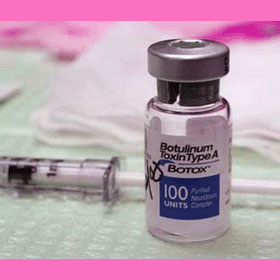
Botox is the trade name for botulinum toxin, which is used in an ever-growing number of cosmetic and general medical procedures. Botulinum is actually a poison, but when used correctly can produce a plethora of fantastic effects ranging from wrinkle reduction to muscle spasm control.
In the cosmetic surgery industry, botulinum toxin is one of the most profitable and popular treatments offered and is widely embraced as a method of retaining a youthful appearance, no matter what a person’s chronological age may be.
This article provides a summary of botulinum toxin treatment in the aesthetic sector.
What Exactly is Botox?
Botulinum toxin is an extremely poisonous protein produced by a specific bacterium named Clostridium botulinum. When used in quantity, the substance can easily kill a human, but when used conservatively, in carefully measured amounts, the substance can provide virtual miracles for patients with many problematic conditions.
Botulinum works on muscles, preventing contraction by blocking the chemical stimuli which tell the muscle to move. This occurs at the neuromuscular juncture and is absolute.
Botulinum has been used for medical purposes for over years, but became incredibly prevalent in the cosmetic industry in the past decades.

Botulinum Toxin Cosmetic Applications
Botulinum toxin must be injected directly in tissues in order to be most effective. Multiple tiny injections are used in facial muscles to paralyze the structures and prevent contraction.
It is muscular contraction which creates most of the wrinkles in the face, including the deepest and most obvious laugh lines and forehead wrinkles. By decommissioning these normal contractions, existing wrinkles will be reduced and new wrinkles will not form, for as long as the drug remains effective.
Most botulinum injections are effective for 3 to 4 months time, on average, but their duration can range from 2 months to 8 months, depending on the area treated and other factors.

Effectiveness of Botox
Botulinum is toxic and does have certain risks. Most patients tolerate treatment without incident, but some complications are possible and may include: bruising, reduced ability to move crucial areas of the face or jaw, inability to close the eyes, infection and the extremely rare incidence of stroke or even death.
If the injection is mistakenly placed into the bloodstream, dire consequences can occur, which is why botulinum remains a highly regulated substance.
Always make sure to seek out botulinum treatments from a qualified physician only and do not trust your life, health or appearance to anyone not completely trained and legally licensed to administer the drug.