
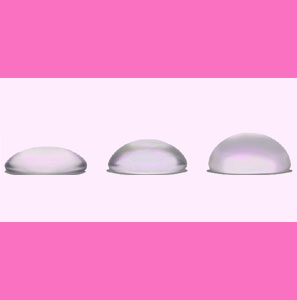
Breast implants for black women creates special concerns, which require an experienced surgeon to address. Black skin, and any shade of highly pigmented skin in general, has a tendency to scar more noticeably than lighter skin tones. Keloid scars, in particular, are common for black women to experience and can make the final surgical result aesthetically unappealing.
As a black woman considering cosmetic surgery, you must be aware of your history of healing and communicate openly with your surgeon concerning any skin-specific issues which may affect your postoperative outcome.
Complications of Breast Implants for Black Women
Darkly pigmented skin has a tendency of scarring either lighter or darker than the skin around it. This can make even thin scars quite noticeable and unattractive.
Keloids are a particular type of raised and very obvious scar tissue which is commonly formed on dark skin tones in many races, but are especially prevalent on black skin. A keloid scar on the breast or nipple would definitely detract from the augmentation procedure.
Most women have a good idea how their skin heals and should inform their doctor of any previous scarring or keloid experiences, far in advance of their surgery.

Breast Augmentation Procedures for Black Women
Women who are at higher risk for developing noticeable or raised scars should consider a procedure which is less obvious in its incision.
Transumbilical breast augmentation is the very best option for many women, since no visible scar will be left from the operation. Unfortunately, this procedure is only available using saline implants, so if you are set on silicone, you must find another option.
Transaxillary incisions in the underarm are also less obvious and can be used with any type of implant. Even if a pronounced scar is left, at least it is in a location which is easy to conceal.
Periareolar and inframammary incisions leave the possibility for an obvious scar on some portion of the actual breast.

Advice on Black Breast Implants
Women of color often require special considerations when it comes to their skin. Darker skin is more likely to experience scar-related complications than lighter skin.
Talk to your doctor about how they have dealt with black skin in the past and what the results were. Ask to see actual photos of their patients to see how the scars resolved.
Experience, patience and attention to detail can go a long way in preventing scar tissue from forming. Make sure that your surgeon recognizes the need for special care with your skin and see what type of preventative measures can be employed to minimize scarring.