
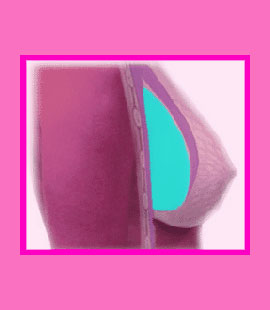
A ruptured breast implant is a potentially serious health concern for any affected woman. They can also cause an unaesthetic appearance to the chest. Breast implants are not foolproof and are not designed to last a lifetime. Implants are likely to fail with time and might break much sooner, due to a variety particular circumstances. If you suspect you might have a broken or leaking breast implant, seek medical attention immediately.
This essay details the consequences of breast implant rupture, as well as how to recognize the signs of a compromised breast prosthesis.
Different Types of Ruptured Breast Implants
Breast implants come in two main styles: saline filled implants and silicone filled implants. Each style will demonstrate different behaviors when the outer shell is compromised.
It is very important to know what type of implants you have, as well as the warning signs of implant failure.
Saline breast implants will typically rupture completely. A broken saline implant will most often deflate quickly and noticeably. While the saline filler material is not harmful to the body, the remaining outer shell material can pose a serious risk. Once empty, the silicone shell of a saline implant can fold, creating pointy edges which might damage internal tissues. On rare occasions, a sharp edge might actually break through the skin and cause external visualization of the implant.
Traditional silicone breast implants have a thick liquid silicone filler, which can leak out if the outer shell is compromised. This viscous liquid might ooze slowly from the implant shell, making a rupture much harder to notice. Changes in implant shape or feel, or palpable pieces of silicone outside the implant shell, are warning signs of a broken implant.
Newer cohesive silicone gel breast implants will not leak, since their interior filler is made of a jelly solid material. In the event of a puncture to the cohesive implant shell, there is a good chance the prosthesis will look and feel exactly the same. This resistance to breakage is one of the primary benefits offered by the cohesive gel implant.

Causes of a Breast Prosthesis Rupture
An implant rupture can occur for any number of reasons. Any significant direct trauma to the breast might pierce or burst the implant shell. Falling, sports injuries and car accidents are the most common sources of breast trauma.
Improper fill level in saline implants is one of the major causes of implant failure. Overfilling can lead to spontaneous breakage, due to too much pressure and underfilling can create folds and creases which weaken the implant shell.
Severe capsular contracture can cause implants to rip or break in rare circumstances. Closed capsulotomy used to be a major cause of implant rupture, but is rarely used now to treat contracture conditions.
Submuscular placement has a higher rate of implant failure, due to the friction effects of the pectoralis muscle moving against the implant shell.
Rarely, mammography or aggressive breast massage can lead to implant failure.
Finally, simple material deterioration can cause the shell to lose structural integrity over an extended period of time.

Treatment for a Ruptured Breast Implant
Damaged implants must be surgically removed or replaced. This is usually a less serious procedure than the original augmentation surgery, since the pocket is already in existence and the breast tissue is acclimated to the prosthesis.
Implant revision surgery is actually a good option for many women, because it allows them to fine tune their breasts to account for issues which they would like to fix since their last enlargement procedure.
Some of the most common revisions performed while fixing a ruptured implant include a mastopexy to correct ptosis, pocket change from subglandular to submuscular or the reverse, increase in implant size or change of implant material.
Once a revision is necessary, it gives the woman a chance to make any other changes she might prefer, since an operation is needed to fix the implant rupture anyway.

Replacing Ruptured Breast Implants
Remember that breast implants are generally thought to be safe and effective for increasing breast size, but are not guaranteed to be a permanent solution. If you undergo breast augmentation surgery, there is a very good chance that you will have to replace your implants at least once during your lifetime.
Obviously, young women are more likely to need multiple implant replacements compared to older women. Women who are very active or participate in high risk activities are particularly vulnerable to experience implant rupture.
Implant revision will require a secondary operation and might leave permanent scars on the breast. This being said, many women have multiple enlargement procedures and still achieve increasingly excellent results with each new surgery.