
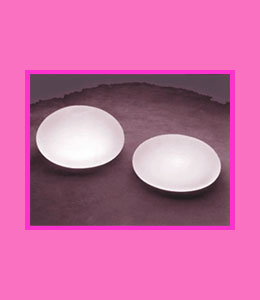
Many women are concerned about their silicone breast implants and breastfeeding ability. Silicone has been the preferred breast implant material of choice for women all around the world for over 40 years. Silicone was at one time linked to several serious health conditions, including cancer, fibromyalgia and connective tissue disease.
Although cleared of all causative blame for these diseases, it is perfectly understandable that women might have some concerns when it comes to the effects silicone breast implants might have on their baby during nursing.
Silicone Breast Implants and Breastfeeding Studies
In an exhaustive study on the safety of silicone as an implant material, a 13 member committee from the National Institute of Health’s Institute of Medicine (IOM) concluded that silicone does not pose any health risk to the developing fetus.
The committee also concluded that breastfeeding is the very best way to nourish a newborn, regardless of breast implants. Although the mother’s breast milk may or may not contain trace levels of silicone, it is still a far lower concentration than in cow’s milk or commercial infant formula.
The committee surmised that the passing along of valuable antibodies and specialized proteins from mother to child was the most important aspect of breastfeeding and that this could not be achieved by any other substitute nutritional plan.

Implants and Breastfeeding Complications
Just because the actual silicone does not pose a problem when it comes to breastfeeding, does not ensure that the nursing process will be complication-free.
Some women are left unable to breastfeed, due to surgical trauma suffered during their breast augmentation surgery. This is not reliant upon the type of implant chosen, but rather, the location of the incision and the skill and precision of the surgeon.
Periareolar incisions have the highest incidence of affecting breastfeeding ability, although all incisions can do potential damage to the breast, leading to the inability to nurse a child.
Women who also undergo a breast lift are far more likely to have breastfeeding difficulty, since the nipple and milk glands are often affected by this more invasive procedure.

Silicone Breast Implants and Breastfeeding Tips
Nursing a child is one of the most rewarding experiences for any woman. It is natural to want the very best for your baby and also to desire to be the one to provide that special sustenance for your infant.
Make sure to discuss with your doctor the potential effects of silicone implants on your ability to nurse children in your future. Although some young women do not make this a priority concern, time will often change their minds, as they age and mature.
Do not limit your future by any impulsive decisions in the present. Get the facts about breastfeeding with silicone breast implants and make an informed decision about undergoing cosmetic breast surgery.