
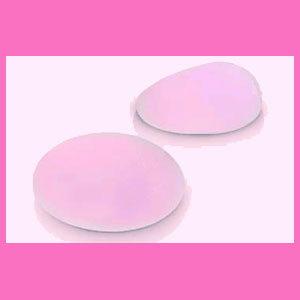
Polypropylene breast implants are also commonly known as string breast implants, PPP implants or polypropylene string implants. They were invented by noted cosmetic surgeon, Dr. Gerald W. Johnson, as a solution for women who wanted truly gigantic breasts or as an alternative to implants which use silicone in the filler material or outer shell. Polypropylene implants are not currently generally available anywhere in the world, although there have been reports of underground availability in some countries.
This dialog explains why polypropylene breast prosthetics are so unique, and possibly, dangerous.
Facts About Polypropylene Breast Implants
Polypropylene is a material which has been used in medical and surgical applications, throughout the body, since the 1960s. It is still in use today in many medical capacities, but not as a breast implant material.
Dr. Gerald Johnson heavily promoted these implants during the late 1990s as the “next big thing” in cosmetic breast augmentation, due to his faith in the concept and relatively good testing results.
Johnson reported that this material formed the most realistic implant he has ever worked with and did not seem to induce capsular contracture.
The implants were usually placed in the subglandular position, since this was believed to be superior by Dr. Johnson.

Problems with Polypropylene Implants
String implants feature a different material than was ever used in bulk in any area of the body. Polypropylene has been used in smaller sections for various surgical needs, but the amount needed to construct a breast implant turned out to cause some big problems for patients.
Polypropylene is a spongy material, which soaks up liquid and expands with time. It is a thirsty substance and can expand rapidly and exponentially. Obviously, this could pose serious problems for women, as their breasts will continue to grow and expand.
Dr. Johnson recognized the potential problem with this material and ceased all testing, until further research could be completed to reduce the risks associated with polypropylene.

Polypropylene Breast Implant Controversy
There has been much talk about a corporate conspiracy, when it comes to string implants. While the material seemed promising, and only in need of refinement, no major implant companies would come on-board to develop the design.
Some speculated that companies with high stakes in saline and silicone implant manufacturing put an end to the interest in this new material, before it ever had a chance to become more than a short flash in the pan.
There have been reports of doctors still experimenting with this material and derivatives of the original formula in some “less regulated” regions of the world.
For now, string implant development has been shelved and Dr. Johnson has gone back to using the familiar materials we all know and trust.